The spare key for the Discovery Sport turned up last week, in the kitchen drawer where keys and takeaway menus go to retire. We sold the car in the summer, a few weeks after it carried the tent to its last campsite. The same morning, the RAC announced that the average price of diesel had passed £2 a litre for the first time. I put the key in an envelope for its new owner and felt a small, unworthy glow of relief.
My partner watched me seal the envelope and asked the question I'd been saving for a quiet evening. Now that we're about to be a two-Tesla household, what had the Land Rover been costing us compared with the Model 3? I opened a spreadsheet, and my partner went to put the kettle on.
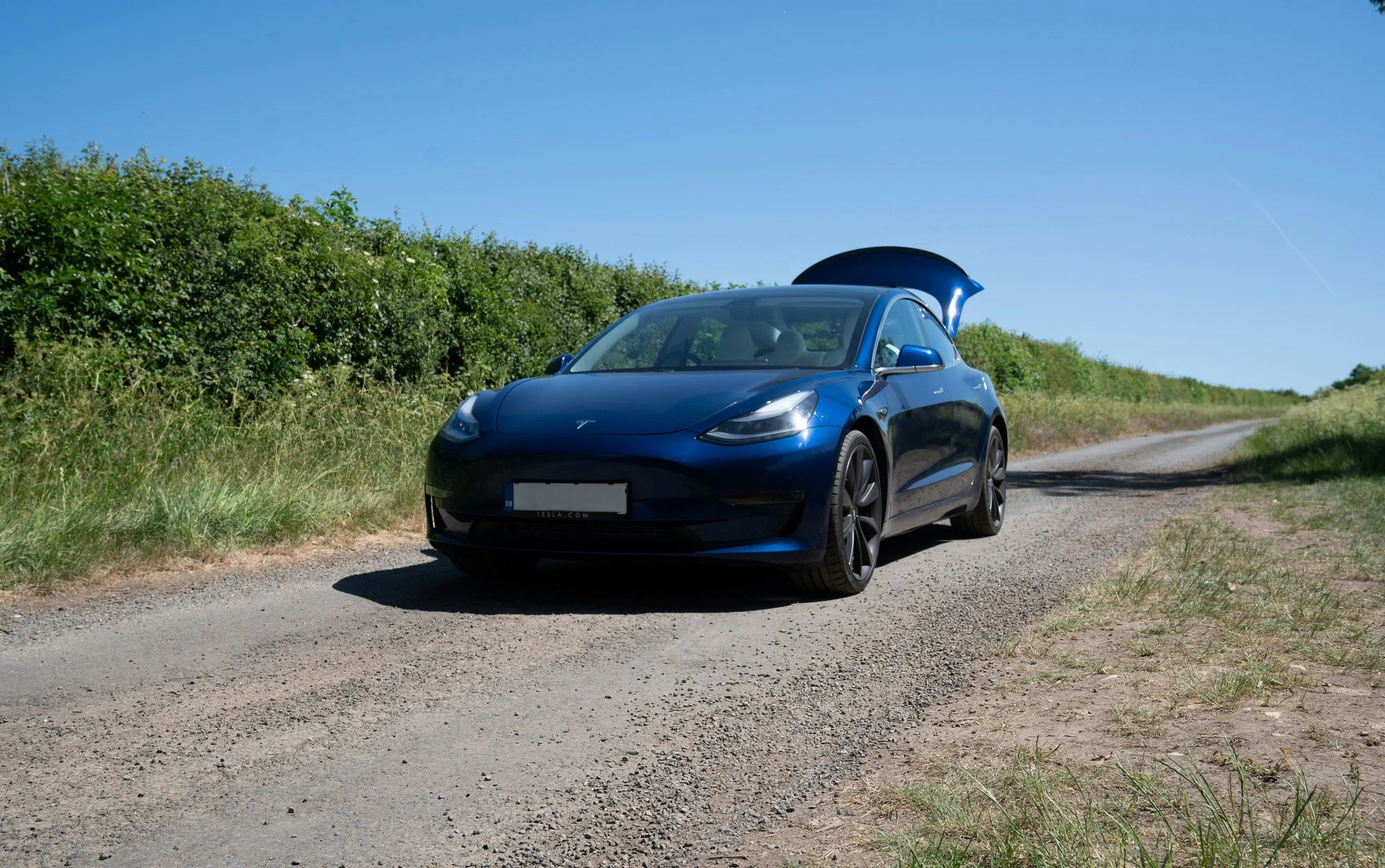
Our 2019 Model 3 Long Range has averaged about 10,000 miles a year since we collected it, between the school run, my partner's commute, the Yorkshire trips and the camping. I've priced our 2016 Discovery Sport TD4 180 doing the same miles. In short, at October 2026 prices the Model 3 costs us about £1,850 a year to run, and the Land Rover would cost about £3,850. Diesel makes almost all of the difference. Insurance goes the other way.
Charging at home and on the M1
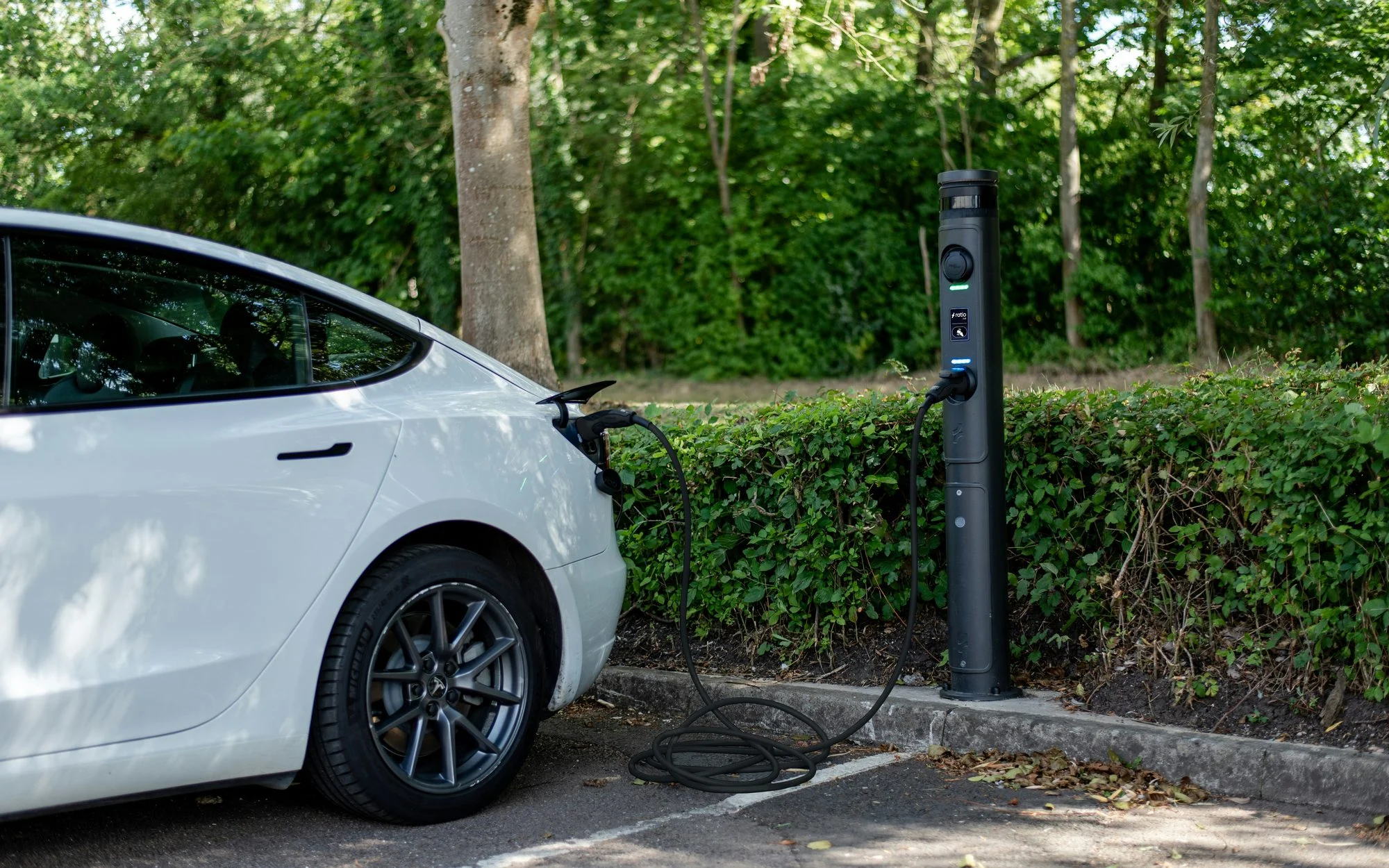
Most of our miles are charged overnight on the drive. On Intelligent Octopus Go the cheap rate is 7.6p/kWh between 23:30 and 05:30 (Octopus Energy, as of October 2026), and in summer the solar panels chip in for nothing. With no heat pump, the car is thirstier in winter, and across a year it uses roughly 3,000 kWh, counting charging losses. About 2,600 kWh of that comes from home, which costs around £180.
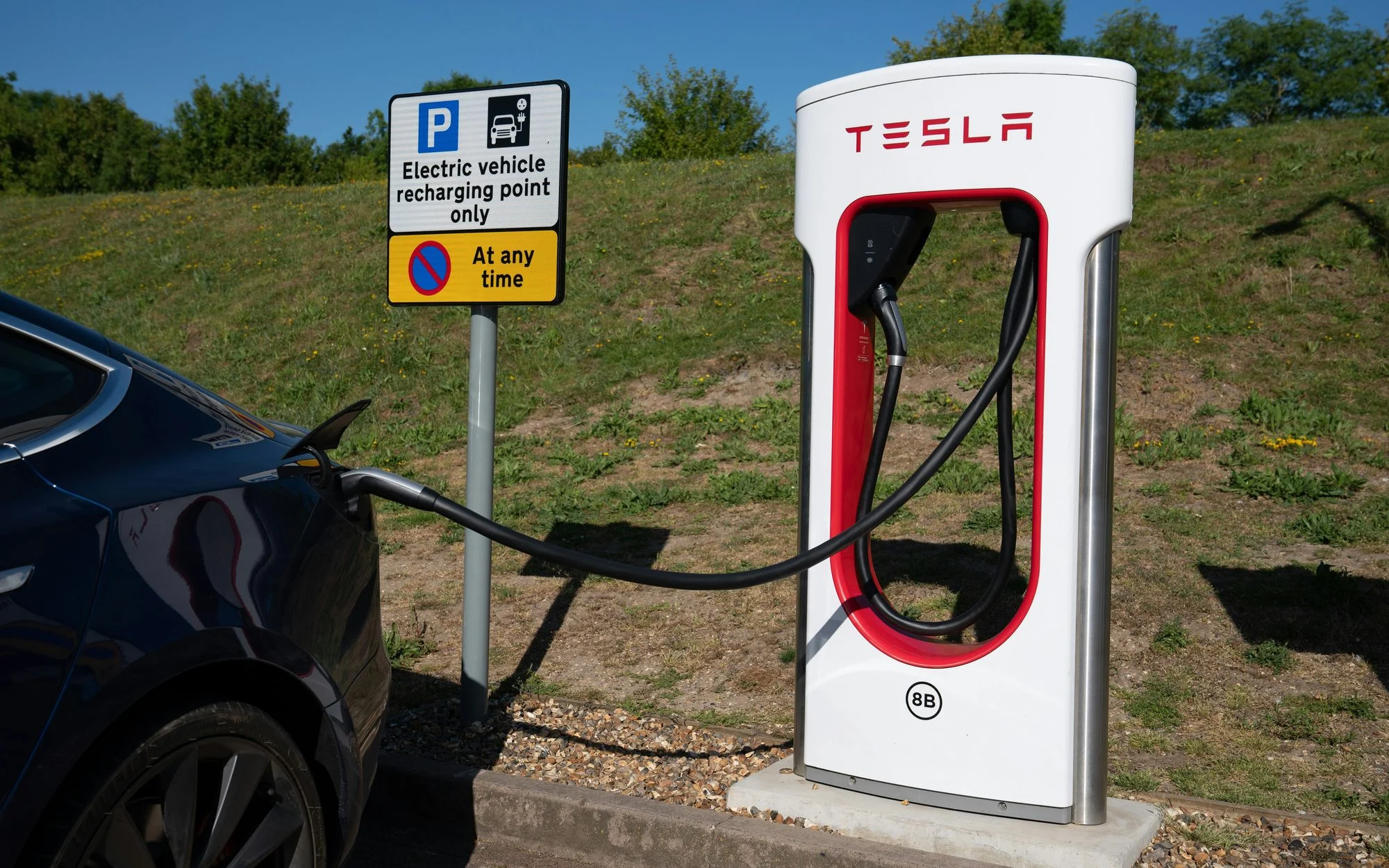
The rest comes from Superchargers on the Yorkshire runs and the odd camping trip. We stop once each way at Woodall, adding about 25 kWh for around £12 at the 48p/kWh daytime price (Tesla, as of 7 October 2026). Over a year that's about 400 kWh and another £180. Our post on the Superchargers we use between the Cotswolds and Yorkshire has the stops and the cheaper off-peak times.
So the Model 3's electricity costs about £360 a year, a little under 4p a mile. We move to EDF in November, and I'll redo the sum then.
Diesel at £2 a litre
The Discovery Sport averaged about 36 mpg on its trip computer, dragged down by years of the football run. On 2 October 2026 the RAC put the average price of diesel at a record 200.01p a litre (RAC). Ten thousand miles at 36 mpg is about 1,260 litres, so a year in the Land Rover would now cost around £2,500 in diesel, or 25p a mile. Even at £1.50 a litre it would be about £1,900.
The Yorkshire round trip used to cost us about £80 in diesel, and today it would be over £100. In the Model 3 it's about £30, most of it spent at Woodall while the boys spend theirs on sweets.
Insurance, the one the Land Rover won
Insurance is where the Tesla costs more, and it always has. Our Model 3 renewal this year was about £760, with my partner as a named driver. The Discovery Sport's last renewal was about £440.
MoneySuperMarket's customers paid a median of £641 for comprehensive cover on a Model 3 between September 2025 and August 2026 (MoneySuperMarket), while the ABI's average for all cars was £566 in the second quarter of 2026 (Insurance Times, July 2026). The gap used to be wider. Electric cars cost around 30% more to insure than petrol cars in 2023, and by this summer that had narrowed to between 10% and 27%, depending on the cars compared (Insurance Business, July 2026). Insurers blame repairs, which cost more and take longer on an electric car.
Tesla doesn't sell its own insurance here. It filed papers in early 2023 to set up a UK branch of its European insurer (Post Magazine, February 2023), but by that October the FCA register showed Tesla Insurance Ltd could no longer do regulated business here (Post Magazine, October 2023). As of October 2026 I can't find a Tesla policy for UK drivers, so it's the comparison sites at renewal.
Tyres, servicing and the smaller bills
Tyres are the Tesla's other weak spot. It's a heavy car with a lot of torque, and I enjoy the acceleration onto the Fosse Way more than the tyres do. Ours is on its fourth set at a little over 70,000 miles, so a set lasts us about 18,000. Its 18-inch wheels take 235/45 R18 tyres at about £130 to £190 each fitted (Blackcircles, as of October 2026), which comes to about £380 a year. The Land Rover's tyres cost about the same each and lasted longer, so about £250 a year.
Servicing goes firmly the Tesla's way. Tesla doesn't ask for an annual service. The Model 3's manual lists a brake fluid check every four years, a cabin air filter every two and a tyre rotation every 6,250 miles (Tesla Model 3 owner's manual). In seven years we've paid for cabin filters, wiper blades, a brake fluid check and a new 12V battery, about £100 a year on average. The Discovery Sport went to the Land Rover dealer every year, and its last service was £420.
Both cars need an MOT, at up to £54.85 (gov.uk, as of October 2026). Car tax is where the Tesla lost its old advantage. Electric cars have paid vehicle tax since April 2025, and ours pays the standard £200 a year. The Discovery Sport was registered before April 2017, so it paid by its CO2 figure of 139 g/km, band E, which is also £200 (gov.uk, as of October 2026). My partner pointed out that I spent years telling people the Tesla paid no road tax.
Put together, these are my round figures for about 10,000 miles at October 2026 prices:
Per year | 2019 Model 3 Long Range | 2016 Discovery Sport TD4 180 |
|---|---|---|
Electricity or diesel | £360 | £2,500 |
Insurance | £760 | £440 |
Tyres | £380 | £250 |
Servicing | £100 | £420 |
MOT | £55 | £55 |
Car tax | £200 | £200 |
A year in total | about £1,850 | about £3,850 |
The Tesla saves us about £2,000 a year, and around £1,400 even if diesel drops back to £1.50.
What the cars are worth now
None of that includes the biggest cost of either car. We paid £47,900 for the Model 3 in 2019, after the government's £3,500 plug-in grant (Engadget, May 2019). Going by what similar cars are listed for this month, ours is probably worth around £15,000. That's about £33,000 in seven years, or roughly £4,700 a year, more than twice the whole table. What a car like ours fetches is in checking a used Model 3, starting with our own.
The Land Rover went this summer for a little under £9,000. An older car loses less each year because it has less left to lose, which is how a ten-year-old diesel can look cheap to own while costing a fortune to fuel. The dog misses it most. It could stand up in the boot.
If you're buying, depreciation is steepest in the first couple of years, and that's where Tesla's ex-demo cars help. They're sold as new, with a new-car warranty and a discount, and they come and go, so it's worth checking Tesla's new Model 3 stock through our referral link(referral link) now and then.
Where that leaves us
For a family doing our miles, the Model 3 costs a little under half as much to run as the Discovery Sport would at this month's diesel price. Most of the saving comes from charging overnight on a cheap tariff. If you'd be Supercharging at 48p for most of your miles, the gap narrows, though at roughly 14p a mile it's still well under diesel's 25p.
The Model Y arrives in February and takes over the Yorkshire runs, so next year's spreadsheet will have two Teslas in it and no diesel at all. My partner has asked whether it needs to be a spreadsheet. I'm treating that as a yes.
If this would be your first Tesla, ordering a new Model 3 or Model Y through our referral link(referral link) gets you 650 free Supercharging miles (as of October 2026). On our car that's about seven stops at Woodall, or roughly £90 at the daytime price. Use the link before you place the order, because Tesla can't add it afterwards.