Our friends in Yorkshire had a Powerwall fitted in the summer. By the second evening of our last visit I'd heard more about it than about their children, and I'd been shown the app twice: once in the kitchen and once in the pub, with the screen held at arm's length so the whole table could admire the graph.
On the drive home, somewhere around Sheffield, my partner asked whether we should get one. We already have solar panels and a small battery, and we're about to have two Teslas on the drive. So I did what I always do, which is go quiet for a week and then produce a spreadsheet.
Our setup at home
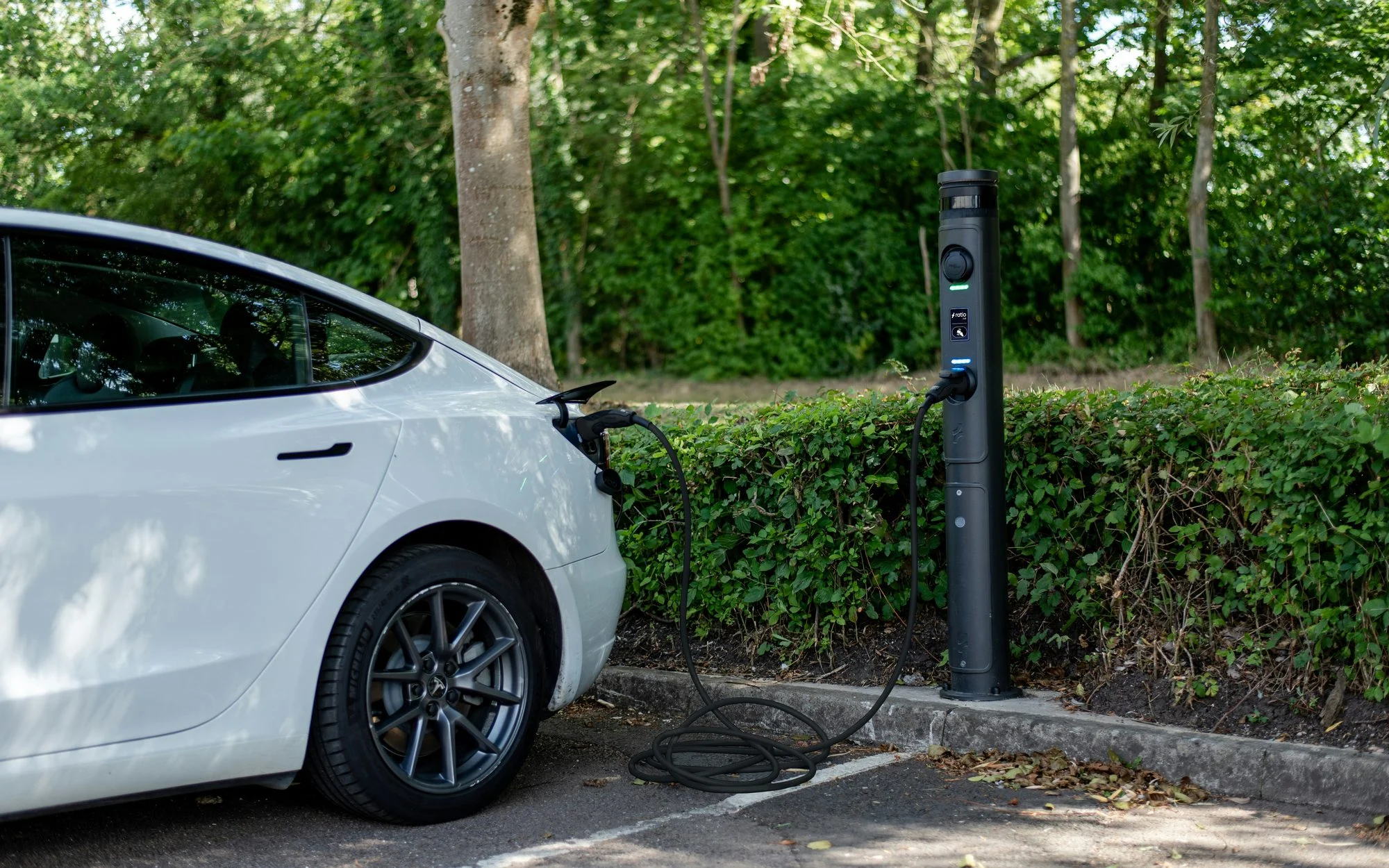
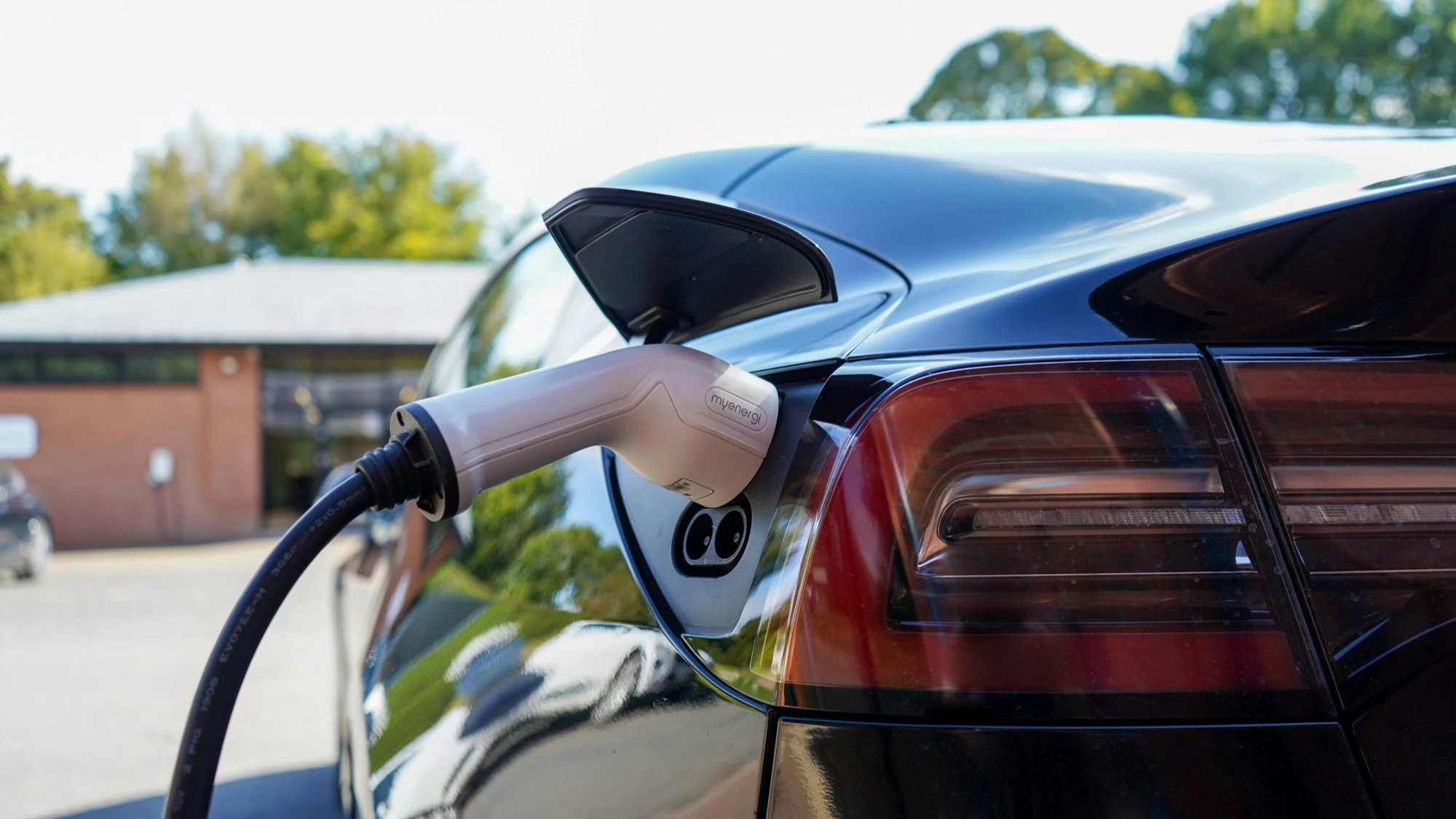
On the roof is a 3.5 kWp solar array. In the utility room there's a 5 kWh battery, and on the side of the house a myenergi zappi charger for the Model 3. We're on Intelligent Octopus Go, which gives the whole house cheap electricity overnight, though we're moving to EDF in November and I'll redo these sums once we have.
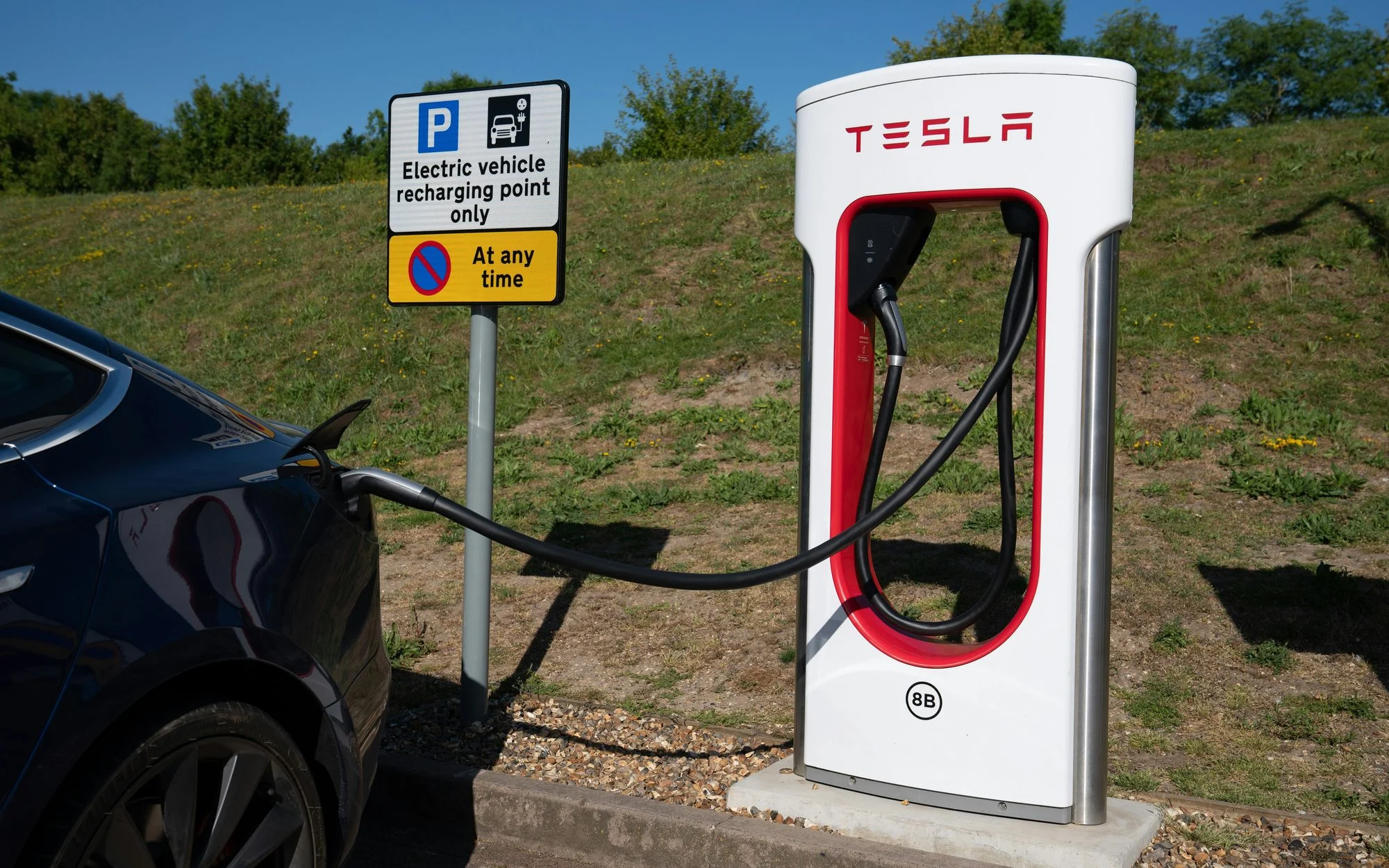
In summer this setup does most of what we need. The panels run the house during the day, the battery fills up by lunchtime, and anything left over goes to the car if it's at home. The zappi's Eco+ mode only charges from surplus solar that would otherwise be exported, and pauses when there isn't enough (myenergi). The Model 3 spends most weekdays on the school run and my partner's commute, though, so free solar miles are mostly a weekend thing.
In winter the panels manage very little, so the battery charges from the grid overnight at the cheap rate and runs the house into the morning. Our 5 kWh doesn't last past mid-afternoon, so the evenings (dinner, the boys' screens and the tumble dryer drying the dog's towels) are back on the day rate.
The Powerwall 3 in numbers
The Powerwall 3 is Tesla's current home battery in the UK, with the figures below from Tesla's UK datasheet (checked October 2026):
Powerwall 3 | |
|---|---|
Usable energy | 13.5 kWh |
Continuous output | Up to 11.04 kW |
Maximum charge rate | 5 kW |
Solar input | Up to 20 kW, through a built-in inverter |
Efficiency, solar to battery to home | 89% |
Warranty | 10 years, as long as it stays connected to the internet |
That's nearly three times our battery, and the built-in solar inverter means a new solar-and-battery install needs one box on the wall instead of two. Our Yorkshire friends were already asking whether they should have waited for a Powerwall 4. There isn't one. As of October 2026 Tesla hasn't announced a Powerwall 4, and its newest home battery is the three-phase Powerwall 3P, launched in 2026 for homes with a three-phase supply. I told them this in the pub. They did not show me the app again.
Fitting one, and the VAT
Tesla sells Powerwall in the UK through certified installers, so the price depends on who fits it and how much wiring your house needs. As of autumn 2026, Octopus was quoting £7,999 for a Powerwall 3 on its own (ExpertSure, July 2026), Heatable about £7,395 including the Backup Gateway (September 2026), and iHeat between £8,500 and £12,000 depending on the job (September 2026).
There's no VAT to add. HMRC zero-rates home batteries fitted between 1 February 2024 and 31 March 2027, including batteries added to an existing solar system or fitted on their own (VAT Notice 708/6). If a quote includes VAT on the battery, ask why.
Running the numbers for our house
A battery saves money by moving electricity from the expensive hours to the cheap ones. On Intelligent Octopus Go, cheap means 7.6p/kWh between 23:30 and 05:30, and the rest of the day costs around 35p to 39p depending on region (Octopus, as of October 2026). At our day rate of about 36p, and allowing for the 11% lost on the way in and out of the battery, every kWh moved from the day rate to the night rate saves us a little over 27p.
For us the useful question is what a much bigger battery adds on top of the one we've got. These are my rough figures, using our own usage:
- In winter we use somewhere around 10 kWh a day outside the cheap hours. Our battery covers about half. A Powerwall would cover the rest, which on five winter months comes to roughly £200.
- In summer our battery is full by lunchtime and the surplus either goes to the car or is exported at 12p/kWh on Outgoing Octopus (as of October 2026). A Powerwall would store more of it for the evening, worth perhaps another £150.
- Spring and autumn add a bit more, which takes the total to about £400 a year.
At £8,000 installed, that's about 20 years to pay back, which is twice the length of the warranty. If we didn't have a battery at all, the sums would look much better, because the first few kWh of storage do most of the work. Our Yorkshire friends started with no battery at all, which is why theirs makes more sense than ours would.
Where a Powerwall makes more sense
A Powerwall is a better buy if you don't have a battery yet, use a lot of electricity in the evenings (a heat pump, an electric cooker, working from home), have a bigger solar array than our 3.5 kWp, or live somewhere with regular power cuts and want backup.
It also unlocks a couple of Tesla features. Charge on Solar sends surplus solar into a Model 3 or Model Y, but it needs a Powerwall and panels on the same site (electricdrives.tv). For us the zappi already does that job. And in case you've seen the videos, running the house from the car through a Powerwall only works with the Cybertruck as of September 2026, so our Model Y won't be powering the kettle in a power cut.
If you're weighing it up, start with your own numbers. The half-hourly data in your supplier's app shows how much you use outside the cheap hours, and that figure decides almost everything.
Where we've landed
Not buying one, for now. The battery we have covers the expensive hours that matter most, and the extra £400 a year from a Powerwall doesn't justify £8,000 while our panels are this size. If we add more panels or a heat pump, I'll run the numbers again, and the 0% VAT window until March 2027 is worth keeping in mind.
The car side is simpler. Overnight charging on a smart tariff is where a Tesla becomes cheap to run, with or without a home battery. If this would be your first Tesla, ordering a new Model 3 or Model Y through our referral link(referral link) gets you 650 free Supercharging miles (as of October 2026). Buying a Powerwall doesn't come with a referral reward, so that's the only link in this post.